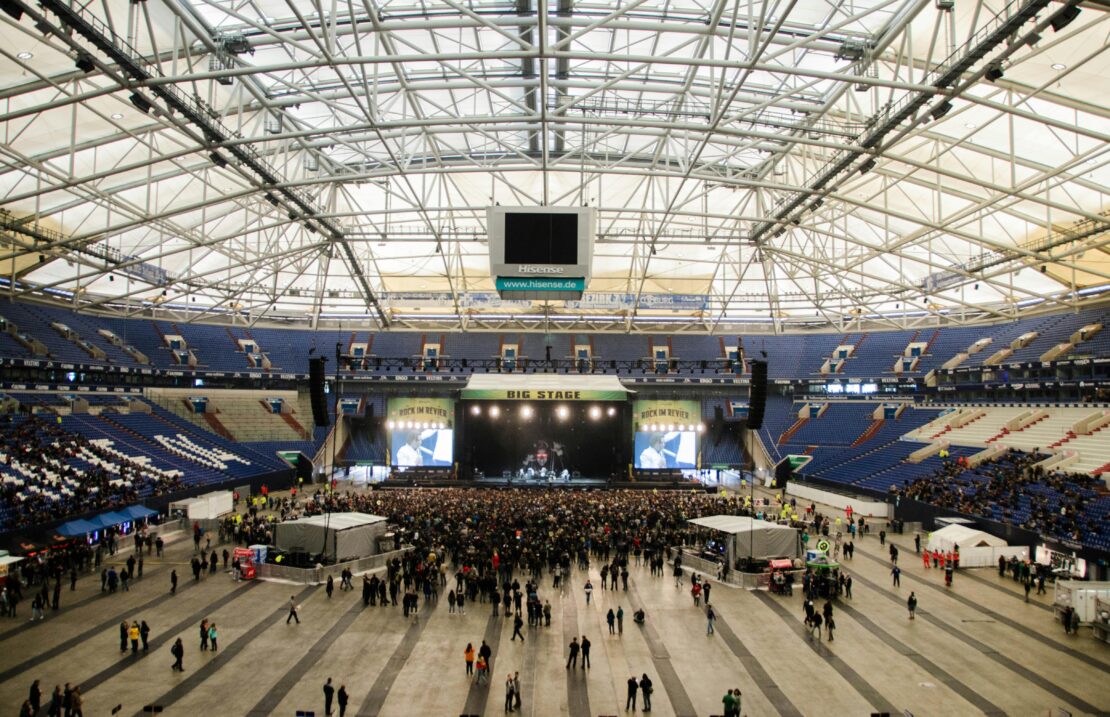
Networking is a cornerstone of exhibitions, with 75% of attendees stating that in-person interactions are vital for building business relationships (UFI Report, 2023). Whether you’re looking to form new partnerships, nurture existing ones, or gain insights from industry leaders, exhibitions are your opportunity to connect. This guide will help you network effectively and leave a lasting impression.
1. Plan Ahead for Success
Preparation is key to effective networking. Knowing who you want to meet and how you’ll introduce yourself will set you up for impactful conversations.
Steps to Prepare:
- Create a Target List: Research attendees, speakers, and exhibitors. Use LinkedIn or the event’s app to identify key connections.
- Perfect Your Elevator Pitch: Craft a concise and compelling introduction. Focus on your role, your company, and how you add value.
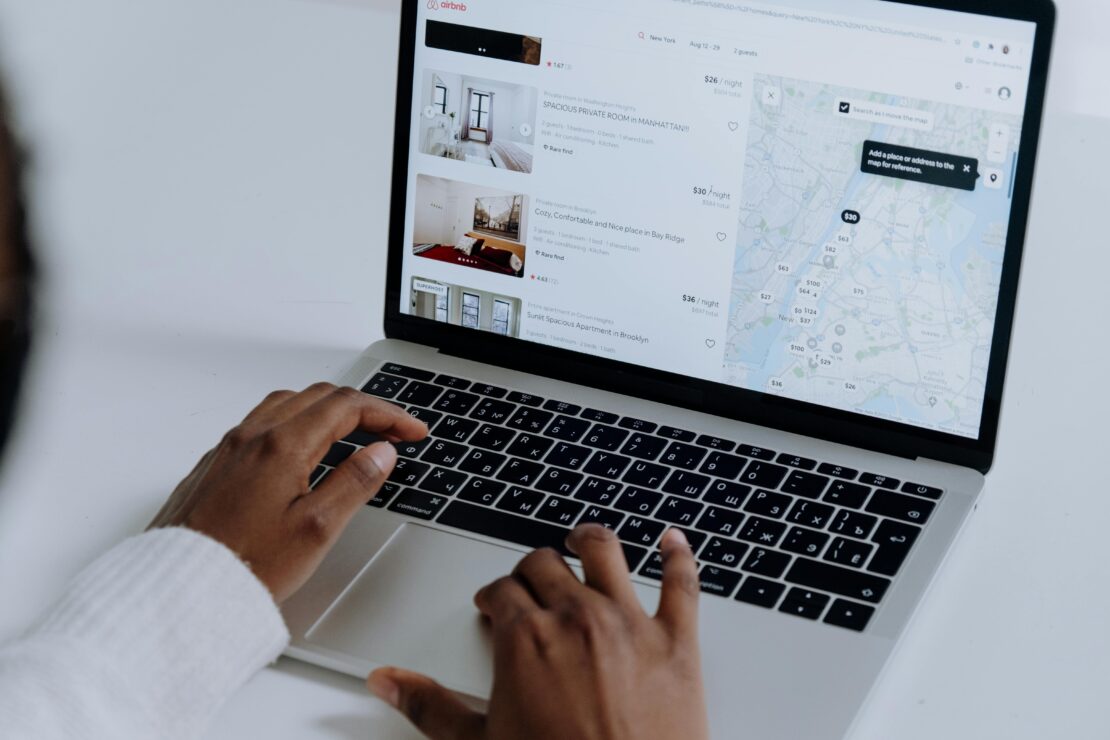
- Schedule Meetings Early: Many exhibitions offer matchmaking tools to set up appointments before the event. For example, CES 2024 integrated AI-powered networking apps to help attendees connect efficiently
- Research the event floor plans: This will allow you to see all exhibitors that will be attending the event ahead of time
2. Master the Art of Conversation
Key Tips:
- Start with a Warm Opener: Approach with a friendly smile and a simple question like, “What brings you to this event?” or “How are you finding the exhibition so far?” These questions are non-intrusive and set a relaxed tone for conversation.
- Engage Actively: Show genuine curiosity by asking open-ended questions such as, “What inspired your company’s latest project?” or “What’s been your biggest takeaway from this event so far?” Tailor your questions to their role or industry for deeper engagement.
- Be a Listener, Not a Talker: Avoid dominating the conversation. Demonstrate active listening by nodding, maintaining eye contact, and paraphrasing key points they’ve shared (e.g., “So your team has been focusing on sustainability—tell me more about that approach.”).
- Showcase Positive Body Language: Keep your posture open, avoid crossing your arms, and use hand gestures sparingly to convey interest and confidence. Smiling and mirroring their tone subtly can help build rapport.
- Find Common Ground: Look for mutual interests or shared goals. For instance, if you both mention digital innovation, discuss how your experiences align. Commonality strengthens connections.
- Respect Time: Be mindful of their schedule. Conclude conversations with a polite, “It’s been great chatting—let’s exchange details and stay in touch.” This ensures you don’t monopolise their time.
Bonus Tip: If the conversation starts to stall, reference a part of the event (e.g., a keynote speaker or product display) as a shared experience to keep things flowing.
3. Navigate Networking Fatigue
Exhibitions can be overwhelming, especially when networking is a priority. Recognising when to take a break is vital.
Avoid Burnout By:
- Taking short breaks between sessions to recharge.
- Finding quiet spaces to collect your thoughts.
- Staying hydrated and maintaining energy with healthy snacks.
4. Make the Most of Informal Opportunities
Some of the best connections happen outside structured sessions. Casual settings like coffee breaks, evening mixers, or even waiting in line can lead to impactful conversations.
Example: At IMEX Frankfurt, evening networking events allow attendees to connect in relaxed environments, often resulting in deeper, more personal connections
5. Be a Resource
Networking isn’t just about what others can do for you. Offering value makes you a memorable and trustworthy connection.
Ways to Add Value:
- Share relevant insights or resources.
- Introduce connections who could benefit from knowing each other.
- Provide genuine feedback or solutions to challenges discussed.
6. Track and Follow Up
The event may end, but networking doesn’t stop there. Properly tracking your contacts ensures you can nurture the relationships you’ve formed.
Post-Event Strategy:
- Organise Your Contacts: Use a CRM tool or a simple spreadsheet to log names, companies, and conversation notes.
- Personalise Your Follow-Ups: Reference specific topics discussed during the event in your emails or LinkedIn messages. For example:
“Hi [Name], I enjoyed our conversation about [topic] at [event]. I’d love to explore how we could collaborate further.”
7. Engage Digitally for Longevity
Social media is a powerful tool for keeping your connections active. Post about your experience, share photos, and tag those you met.
Example Post:
“Had an amazing time at [Event Name]! Thank you [Tag Names] for the insightful discussions. Looking forward to collaborating in the future!”
This keeps you top of mind and visible to your extended network.
Conclusion
Networking at exhibitions is an art that requires preparation, intentionality, and follow-through. By planning your approach, engaging meaningfully, and maintaining connections post-event, you can maximise the value of your exhibition experience. Remember: networking isn’t just about meeting people—it’s about building relationships that drive long-term success.
Ready to elevate your exhibition presence and make meaningful connections? At Whitespace, we specialise in designing bespoke, engaging exhibition stands that attract attention and foster interaction. Explore our solutions and take your networking to the next level.”
Discover More