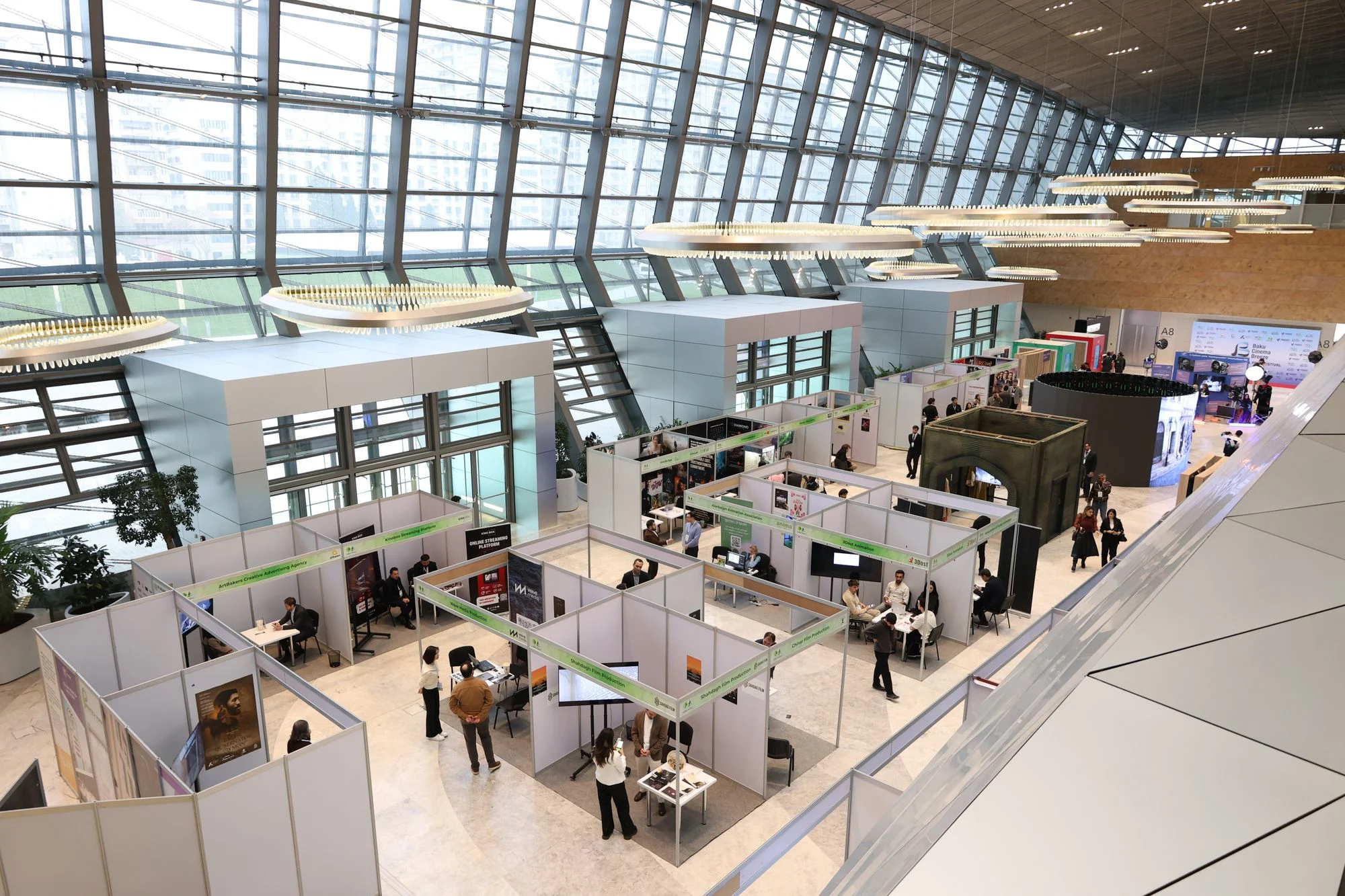
Reusable exhibition stands are moving from a nice-to-have to something organisers actually measure. Last week, according to Exhibition News, the International Association of Exhibitions and Events (IAEE) brought in an assessor from the Better Stands programme to rate the reusability of stands at its own show, Expo! Expo!, and will use the results as a baseline for exhibitor feedback and training. For marketing directors, the message is simple: the way your stand is built is becoming a visible, rated part of how your brand shows up, and it pays to plan for that before your next show rather than after it.
What happened at Expo! Expo! and why it matters
Expo! Expo! is the IAEE’s annual meeting and exhibition, held this year from 16 to 18 November. It is the show where exhibition organisers themselves gather, so what happens there tends to spread to the events those organisers run.
Exhibition News reports that an onsite assessor used the Better Stands Platform to evaluate how reusable the exhibits were. The findings go to the IAEE team to set a baseline for measuring progress, to identify where single-use materials can be cut, and to shape exhibitor feedback and future training.
That is the significant part. Organisers are no longer only asking exhibitors to “be more sustainable” in a welcome pack. They are starting to record what each stand is made of, rate it, and come back with specific feedback. Once a rating exists, it can be compared year on year, used in awards, and shared.
How the Better Stands rating works
Better Stands describes itself as a collaboration across the events and exhibitions industry to move to reusable stands. According to its facts and figures page, the programme was created by Informa and began with a pilot among a group of organisers in 2023, before being opened up to service providers, assessors and other organisers. It now sits within Net Zero Carbon Events, with the International Federation of Exhibition and Event Services (IFES) acting as secretariat.
The core is a 10-point framework. Every stand is broken into ten categories of element, and each is judged on whether it will be used again at future events. The categories cover:
- the core structure and walls
- raised platforms and flooring
- furniture and equipment
- lighting
- fascias and overhead signage
- rigging and ceilings
- display fittings
- floor coverings, graphics and decorative items
Each stand is then rated Single Use, Bronze, Silver or Gold. There are two ways to be assessed. In a pre-event assessment, the exhibitor or its stand contractor submits documentation through the platform and a trained assessor reviews it before the show, with spot checks on site. In an onsite assessment, an assessor observes the stand, largely during the dismantle phase. Exhibitors and service providers then have a “right to review” window, usually two to six weeks after the event, to query a rating before it becomes an official certificate.
The programme says it has been adopted by more than 55 organisations across more than 400 events in over 37 countries, according to the Better Stands website.
The early evidence from organisers
The programme is still young, but the published examples show the direction of travel.
- Clarion Events piloted Better Stands at two shows in 2024 without issuing certificates, then expanded to ten shows across three regions in 2025, according to a case study on the Better Stands organisers page. Some of its shows are building a baseline from a sample of stands; others are starting with pavilions, and some feed indicative ratings into wider sustainability awards.
- ReThink Hong Kong raised the share of its raw-space stands reaching Gold from 43% in 2024 to 60% in 2025, as reported by Exhibit City News.
- Exhibitors are already using the ratings in their own communications. Dr. Paul Lohmann, for example, has published news of a Silver rating for its stand at Vitafoods Europe 2026, noting that the assessment covered its booth construction, furniture and lighting.
The pattern is familiar from other sustainability measures: organisers pilot quietly, establish a baseline, then begin recognising the best performers. Exhibitors who already have a strong rating gain a credible, third-party story. Those who do not are the ones who receive the “feedback and training”.
Why reusable exhibition stands are a marketing decision, not only an operations one
It is tempting to treat stand construction as something the events team and the contractor sort out. There are three reasons it now belongs on the marketing director’s agenda.
Your sustainability claims need evidence
Regulators and buyers are both less tolerant of vague environmental language. As we set out in our piece on green claims rules after the EU U-turn, the safest claims are specific and verifiable. “Our stand achieved a Silver Better Stands rating” is the kind of statement that can be checked. “Our stand is eco-friendly” is not.
The rating becomes part of your brand at the show
If organisers start publishing ratings, recognising Gold stands or using them in awards, your stand’s rating becomes visible to the same audience you are trying to impress. A single-use build that looks spectacular for three days may be read differently by procurement teams who are scoring suppliers on environmental performance.
It changes the economics of your exhibition programme
The Better Stands FAQs note that reusable stands often save time and money, with shorter build and dismantle times and lower waste costs for organisers and service providers. For brands, the bigger shift is in how a stand is budgeted. A reusable system is an asset used across a season of shows, not a one-off cost written off after a single event. That fits neatly with the multi-show planning we discussed in our look at the 2027 marketing budget.
Does reusable mean less creative?
This is the concern we hear most often, and the Better Stands guidance is clear that it does not have to. Its FAQs point out that reusable stands come in many materials, including aluminium, glass, wood, plastic and steel, and that the only requirement is that elements are reused at a future event. Members are also not obliged to use only rated stands; the aim is to move towards more reuse over time.
In practice, the creative work shifts. Instead of building a new structure for every show, the design effort goes into a flexible system and the elements that change around it: graphics, lighting, product display, digital content and the visitor experience. Done well, this gives a brand more consistency across shows, not less impact. Our guide to designing a sustainable exhibition stand with eco-friendly materials covers the material choices in more detail.
What to do before your next show
You do not need to wait for an organiser to require a rating. A few practical steps will put you ahead of it.
- Ask your organisers whether they use Better Stands. If they do, find out whether assessment is pre-event or onsite, and what they will do with the results.
- Ask your stand contractor what happens to each element after the show. Go through the ten categories and get a straight answer for each: stored and reused, recycled, or discarded.
- Brief for a season, not a show. If you exhibit several times a year, brief your designer on a reusable core that can be reconfigured for different stand sizes and markets.
- Keep the evidence. Request documentation of reused elements, so you can support any claim you make in press releases, tenders or ESG reporting.
- Add reusability to your success measures. Alongside leads and meetings, track the share of your stand that is reused. Our guide to measuring exhibition performance explains how to build a fuller scorecard.
Key takeaways
- Organisers are starting to rate reusable exhibition stands, with the IAEE assessing stands at Expo! Expo! this month to set a baseline.
- Better Stands rates stands as Single Use, Bronze, Silver or Gold across ten categories of stand element.
- Early adopters such as Clarion Events and ReThink Hong Kong have moved from pilots to wider rollouts and measurable improvements.
- A third-party rating gives marketers a specific, verifiable sustainability claim instead of vague language.
- Briefing a reusable stand system for a full season can protect creativity while reducing waste and repeat build costs.
Frequently asked questions
What is a reusable exhibition stand?
A reusable exhibition stand is built from elements, such as the structure, flooring, furniture and lighting, that are designed to be used again at future events rather than discarded after one show.
What is the Better Stands programme?
Better Stands is an industry programme, created by Informa and now part of Net Zero Carbon Events, that uses a 10-point framework to rate how reusable a stand is: Single Use, Bronze, Silver or Gold.
Can an exhibitor get a Better Stands rating?
Ratings are arranged through participating organisers. Exhibitors or their stand contractors can submit evidence for a pre-event assessment, or an assessor can rate the stand on site during the show.
Are reusable stands less creative than custom builds?
Not necessarily. Reusable stands can use aluminium, glass, wood, steel and other materials, and creativity shifts to layout, graphics, lighting and the visitor experience built around a reusable core.
Reusable stands are quickly becoming a measured part of how brands are judged on the show floor. If you are planning next year’s programme and want a stand that performs creatively and holds up to scrutiny, take a look at our approach to sustainable exhibits and modular exhibition stands, or talk to our team.